
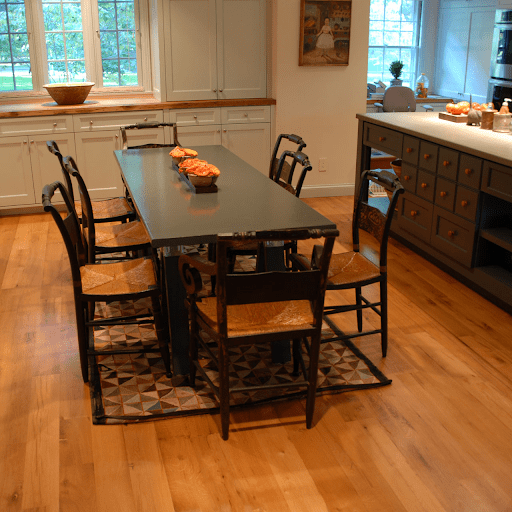
When you’re picking flooring for the spots that get worn down first, you’re not just thinking “pretty wood grain” or “cool tile pattern.” You’re picturing muddy shoes tracked in after a rainstorm, dog claws sliding across the floor, spills that somehow always happen at the worst time, and that awkward moment when someone drops keys right on your floor. Here’s the real deal: you want something that stands up to all that without begging for replacement next year. Durable materials that resist scratches, moisture, and the daily grind, and still feel good underfoot make all the difference. That’s why choosing the right flooring in Raleigh NC matters more than just picking something pretty.
Defining High-Traffic Flooring Needs
These are the parts of your home or commercial space where movement never stops: front doors, mudrooms, kitchens, hallways, and living areas. If people step on these areas multiple times a day, it counts. That matters because not all floors wear the same under constant use.
You’ve probably noticed how grit and sand feel like tiny sandpaper underfoot. That kind of everyday abrasion wears floors down faster than you expect. And yes, spills, whether it’s iced tea or last week’s red wine can leave marks if the surface isn’t up to the task.
Here’s what really matters:
- A thick wear layer that fights off scuffs and everyday abrasion.
- Strong core materials that keep planks flat and steady under weight.
- Tough surface finishes that shrug off impact and frequent cleaning.
When flooring can take that kind of daily wear, you’re not just covering the floor — you’re creating a surface that performs.
Factors for Selecting Durable High-Traffic Flooring
Here are the key factors for choosing long-lasting flooring:
- Durability and Wear Resistance
The wear resistance of a floor tells you how long it will stay pretty. Most modern floors use a rating system. For laminate, this is the AC rating. For vinyl, it is the mil thickness. And a higher number usually means a tougher surface. But you must match the rating to your actual room. A bedroom does not need the same strength as a mudroom.
- Material Strength and Construction Quality
A flooring product isn’t just its surface. The core and how it’s built determine whether the board stays flat, stable, and solid. Dense cores like SPC (stone plastic composite) add rigidity that matters in entrances and living rooms.
- Moisture and Spill Resistance
Raleigh’s humidity isn’t a secret, and neither are the occasional spill disasters. Waterproof or highly water-resistant materials, like many LVP options shrug off moisture that would warp sensitive woods or damage lesser floors.
- Ease of Maintenance and Cleaning
Floors in busy spaces should clean up quickly. A quick sweep or mop that doesn’t require special cleaners keeps daily life simple and keeps floors looking fresh with minimal work. Materials with sealed surfaces are ideal here.
- Comfort and Safety Underfoot
A hard floor can hurt your back if you stand too long. Vinyl and laminate often feel a bit softer than stone. This is because they have a little bit of flex. Safety is also about texture. A slightly bumpy surface provides a better grip. This is very helpful for older adults or toddlers.
- Style That Hides Wear and Tear
Busy floors shouldn’t announce every footprint and crumb. Mid-tone colors, textured surfaces, and matte finishes disguise dust and light scratches without calling attention to every imperfection.
- Flooring Installation Method and Subfloor Compatibility
How a floor is installed can impact performance. Floating floors click into place and can handle minor subfloor imperfections. Glue-down options often stay firmer under heavy use. Match the method to your subfloor and your budget. Some materials need more expertise to install correctly. Proper installation makes a big difference in how long your floors last.
- Long-Term Cost and Value
Think beyond upfront cost. A slightly pricier floor that lasts longer with fewer repairs saves money over time. Materials like tile or higher-end vinyl often outlast cheaper alternatives.
- Noise Reduction and Acoustics
In big open rooms or upstairs hallways, footsteps can echo. Flooring with built-in cushion or acoustic underlay keeps sound down and spaces feeling warm and comfortable.
- Manufacturer Warranty and Quality Certifications
A substantial warranty is not merely a piece of paper, but an indication that the manufacturer is standing behind what they produce. That peace of mind matters when you’re investing in a floor meant to take a daily beating.
Top Flooring Options for High-Traffic Areas
Now let’s look at flooring choices that actually deliver in real life:
| Flooring Option | Durability | Maintenance | Moisture Resistance | Best Use |
| Luxury Vinyl Plank (LVP/LVT) | Excellent | Easy | Excellent | Kitchens, mudrooms, and living rooms |
| Laminate Flooring | Very Good | Easy | Moderate | Hallways, family rooms |
| Porcelain & Ceramic Tile | Excellent | Moderate | Excellent | Entryways, bathrooms, and kitchens |
| Engineered Hardwood | Good | Moderate | Moderate | Living and dining areas |
| Rubber Flooring | High | Very Easy | Excellent | Gyms, play areas |
| Porcelain/Stone Composites | Ultra-Durable | Easy | Excellent | Heavy-use commercial zones |
Conclusion
Here’s the bottom line on picking flooring in Raleigh NC: your busiest spaces need floors that don’t just look good in photos, they need to work. Durable materials like luxury vinyl, porcelain tile, and quality engineered wood shrug off scratches, handle moisture, and make cleanup a breeze. Think about how you live, where mess happens first, where light shines strongest, where daily routines unfold. Then choose a floor that fits that life rhythm, feels right underfoot, and keeps showing up day after day without drama. With the right choice, what once felt like a headache becomes just another part of daily comfort.