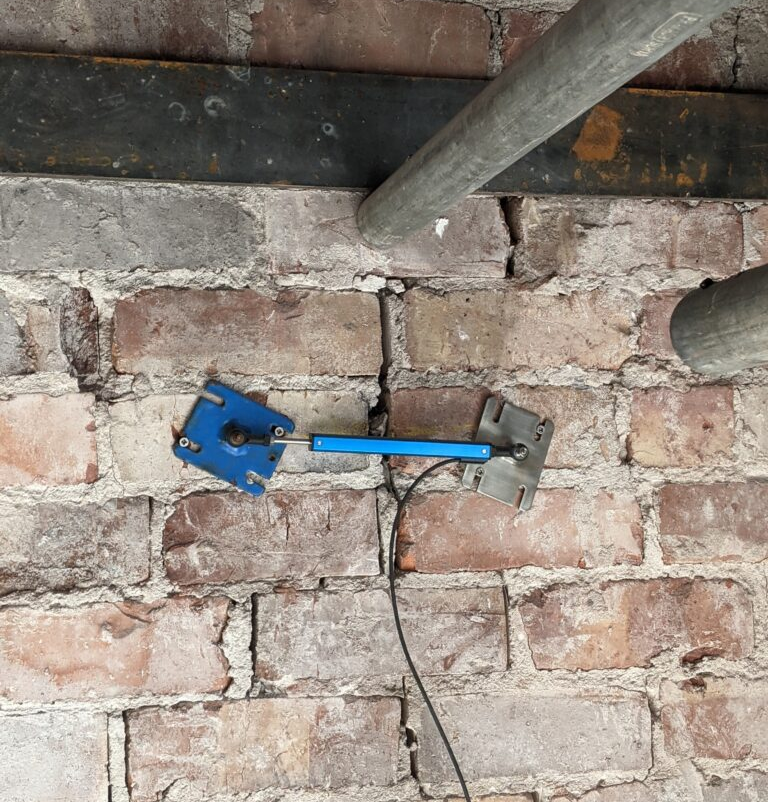
Not every wall crack points to a serious structural problem. Homes move slightly as materials dry, temperatures change, and foundations settle. Good wall crack monitoring tips focus on changes over time rather than reacting to one thin line in drywall. Location, direction, width, and surrounding symptoms can help you decide whether a crack needs simple repair or closer professional inspection.
Start by Recording What the Crack Looks Like
Take a clear photo when you first notice a crack. Include a ruler, coin, or other size reference so future photos can show whether the opening has changed.
Write down the date, approximate length, location, and direction. A simple home-maintenance record works better than relying on memory months later.
Watch the surrounding surfaces
Look beyond the crack itself. Doors that begin sticking, flooring that becomes uneven, or trim pulling away from walls can provide useful context.
Homeowners who keep broader renovation and maintenance notes may also use home improvement references to organize ideas, but observations from the actual property should guide decisions about a specific crack.
Learn the Difference Between Common Crack Patterns
Fine vertical cracks around drywall seams or corners can develop as materials expand, contract, or dry. Small cracks near windows and doors may also occur because those openings concentrate normal movement in surrounding finishes.
Diagonal or stair-step cracks deserve closer attention when they continue growing or appear through masonry. Reviewing household project ideas can be useful for general planning, but structural concerns should not be judged from appearance alone.
| Crack Feature | What to Monitor | Practical Response |
|---|---|---|
| Thin hairline line | Length and width | Photograph periodically |
| Diagonal crack | Continued movement | Inspect surrounding areas |
| Masonry stair-step crack | Gaps or displacement | Consider professional review |
Track Change Instead of Checking Constantly
Daily inspection usually creates more anxiety than useful information. A crack that has remained unchanged for months tells a different story from one that noticeably lengthens over several weeks.
Marking the ends lightly with pencil can make growth easier to recognize. For general household organization, residential upkeep inspiration may help with maintenance planning, while actual measurements should stay in a dated property record.
Use consistent photographs
Stand in approximately the same position each time you photograph the area. Similar lighting and distance make comparison easier.
If paint or plaster starts flaking around the crack, photograph that too before making cosmetic repairs.
Know Which Changes Deserve More Attention
Width alone isn’t the only issue. A relatively narrow crack can matter when it is accompanied by visible displacement, recurring moisture, bowed surfaces, or significant changes elsewhere in the building.
Cracks passing through structural materials rather than surface finishes may deserve more investigation. Foundation movement, framing changes, water problems, or soil conditions can sometimes contribute, so the complete pattern matters.
Where Homeowners Commonly Misread Cracks
A common mistake is assuming every visible crack means foundation failure. That can lead to unnecessary fear and expensive work before the cause is understood.
The opposite mistake is covering a changing crack with filler and paint without recording it first. Cosmetic repairs can hide useful evidence of movement. Document the crack before patching it, then continue watching nearby doors, floors, ceilings, masonry, and trim for related changes.
Frequently Asked Questions
How often should I monitor a wall crack?
A stable crack may only need occasional photographs and measurements. Check more frequently if it is new, growing, or accompanied by other changes such as sticking doors, sloping floors, moisture, or visible separation.
Should I fill a crack before monitoring it?
Document it first. Photograph the crack, measure it, and record its location before making repairs. If the underlying movement continues, a repaired crack may reopen and provide additional information about the pattern.
Do seasonal wall cracks always indicate structural movement?
No. Building materials naturally expand and contract as temperature and humidity change. Seasonal recurrence can provide useful clues, but unusual widening, displacement, or several related symptoms may justify further inspection.
Keep a Simple Record Before Making Assumptions
The most useful approach is consistent observation rather than guessing from one photograph. Record the crack, watch surrounding surfaces, and compare changes over time. If movement becomes obvious, multiple symptoms appear, or structural materials are separating, arrange an evaluation with an appropriate building professional before repeatedly covering the area with cosmetic repairs.