

Ever look up at a massive skyscraper or a giant warehouse and wonder how the lights actually stay on? It is a pretty huge task. Keeping a twenty-story office or a giant mall powered up takes a lot more than just a few basic wires. Dealing with the electricity for a massive property is a totally different game. It needs special skills, heavy-duty gear & a real understanding of how giant power grids behave.
Key Takeaways
- Commercial electricians are specifically trained to design, install as well as maintain electrical systems in large-scale buildings. Like offices, malls, warehouses & high-rises.
- They manage high-capacity, multi-layered power infrastructure (e.g., three-phase systems, distribution panels, and protected cabling).
- Their role is end-to-end execution. From blueprint interpretation and heavy cable installation to compliance checks and final safety certification before occupancy.
Do Professional Teams Actually Manage Huge Properties?
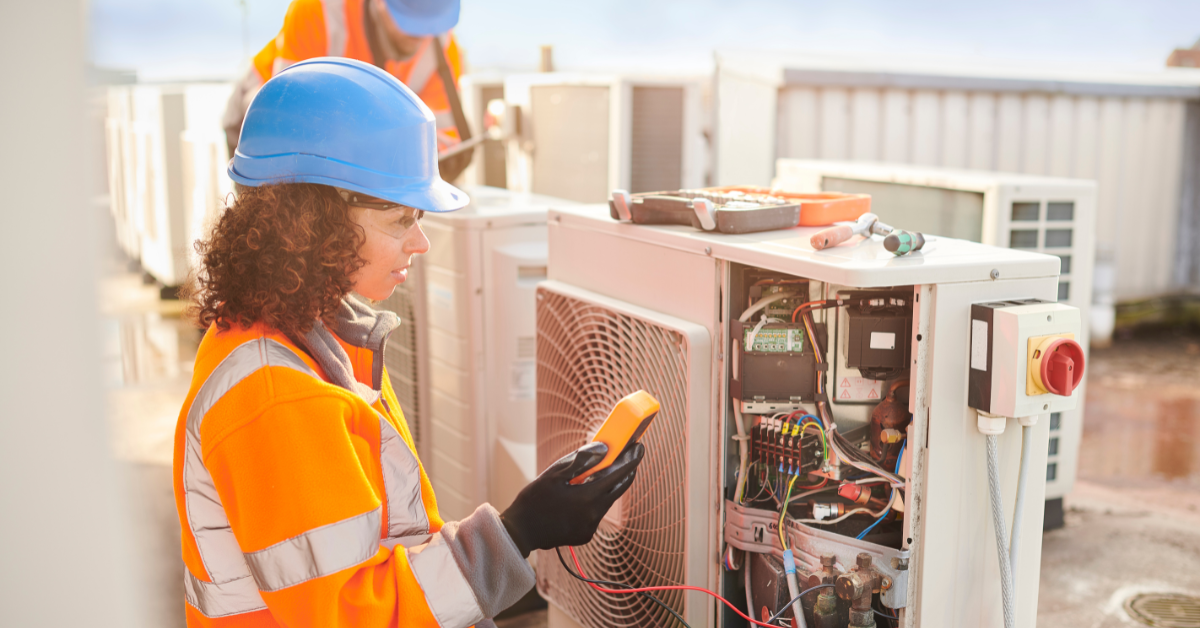
The short answer is a big yes. In fact, giant buildings are exactly what commercial electricians are made for. Think about it this way, a house just needs enough power for a fridge and some TVs. On the other hand, a massive office has to run elevators, “large HVAC systems and thousands of computers all at the exact same time. These experts spend their days working through the “veins” of a building. They make sure the energy gets where it needs to go without blowing a fuse or causing a fire.
Insights Into How Commercial Electricians Tackle Large Buildings
Let’s take a look at how these massive jobs actually get finished from start to finish.
1. Studying the Giant Maps
Before anyone touches a single wire, the team has to spend days looking at a massive stack of blueprints. These buildings have layers and layers of systems that must work together perfectly. Experts spend weeks checking these maps. They need to figure out exactly how the power will travel from the street all the way up to the top floor without losing its strength along the way.
2. Setting Up the Main Control
This is the most important part. The team installs a giant room full of heavy metal cabinets that act as the building’s main brain. Commercial electricians near me set up these units to split the incoming power into smaller, usable chunks. It is like a giant traffic cop directing electricity to the floors that need it most.
3. Building the Metal Skeleton
In a normal house, wires are just tucked behind the wood. In a giant building, every wire is hidden inside a tough metal pipe. Electricians spend a lot of their time bending and fitting these pipes through concrete walls and steel beams. This acts like a protective suit of armor. It keeps the wires safe from water, heat or accidental nicks during construction.
4. Pulling the Heavy Cables
After the pipes are all connected, it is finally time to pull the actual wires through. In a big facility, these cables are thick, heavy and can be hundreds of feet long. It usually takes a whole crew and some motorized winches to tug these lines through the building. This is the big moment. It is when the power finally makes its way to the different floors.
5. Wiring for Data & Wi-Fi
Big buildings are not just about light bulbs. They are about staying connected to the world. The same commercial electricians in Philadelphia also handle the smaller wires that run the Wi-Fi, the security cameras and the badge scanners at the front door. This part of the job makes sure the building stays “smart” & secure while the big wires keep the lights on.
6. The Final Safety Check
Before a single person moves in, every outlet and switch has to be tested. The team uses special tools to make sure there are no “hot spots” where things might be getting too warm behind the walls. Finally, a city official comes by to give a thumbs-up. This is the last step. It ensures the building is 100% safe for thousands of people to work in every day.
Conclusion
The bigger the building, the more important the electrical team becomes. It takes a mix of smart planning, hard physical work and high-tech tools to keep our biggest structures running smoothly. Whether it is a brand-new tower or an old landmark getting an update, these experts are the ones behind the scenes. They make sure the lights stay on and the business keeps moving!
FAQ Section
How is a big building’s wiring different from my house?
The main differences are power level and protection. Big buildings use “three-phase” power. This is much stronger and steadier than what you have at home. Also, almost every wire in a big building is shielded by metal pipes. House wires are usually just wrapped in plastic.
Can one person handle a whole skyscraper by themselves?
No way. Wiring a skyscraper is a huge team sport. You usually have a big group of experts, helpers and managers all working at the same time. One person might be looking at the maps while ten others are pulling the heavy wires or installing the ceiling lights.
How do I find a team that can handle a giant project?
Look for a company that has a long history of working on factories or large office spaces. Don’t be shy about asking to see pictures of their past big jobs. You need a team that knows the local city codes & has enough people to get the work done on time.


