

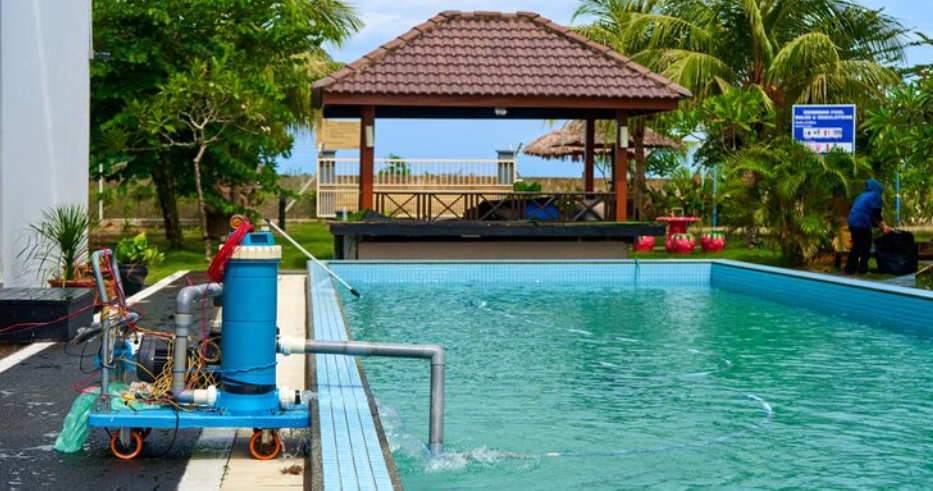
A clean and healthy swimming pool is important for enjoying a safe and comfortable swimming experience. However, keeping pool water clean requires more than adding chemicals or removing visible dirt. Proper water circulation and filtration are also necessary. This is where a swimming pool pump plays an important role. It helps move water through the filtration system, removes unwanted particles, and supports proper chemical distribution. With a reliable swimming pool pump, pool owners can maintain clear water and create a healthier swimming environment.
Understanding the Role of a Swimming Pool Pump
A swimming pool pump is one of the most important parts of a pool circulation system. Its main job is to pull water from the pool and push it through the filter before returning it to the swimming area. During this process, the filter catches dirt, leaves, dust, and other small particles.
Without proper circulation, water can become stagnant, allowing dirt and unwanted substances to collect. A well-functioning swimming pool pump keeps water moving and helps the filtration system work effectively. This makes regular swimming pool pump operation essential for maintaining good water quality.
Improving Water Circulation and Filtration
Good water circulation helps keep every part of a swimming pool cleaner. When water moves continuously through the system, it becomes easier for the filter to capture unwanted materials. This reduces the amount of dirt floating in the water and helps prevent debris from settling at the bottom.
A swimming pool pump also helps move water through different areas of the pool. Proper circulation reduces stagnant spots where algae and bacteria may develop. When combined with suitable filtration, it supports cleaner and clearer pool water.
Supporting Proper Chemical Distribution
Pool chemicals are necessary for maintaining balanced and healthy water. Chlorine and other treatment products help control bacteria, algae, and other unwanted microorganisms. However, these chemicals must spread evenly throughout the pool to work properly.
A swimming pool pump supports this process by keeping the water moving. As water circulates, chemicals become more evenly distributed instead of remaining concentrated in one area. This helps maintain consistent water quality and makes pool maintenance more effective.
Helping Prevent Algae Growth
Algae can quickly affect the appearance and cleanliness of swimming pool water. It may make pool surfaces slippery and turn clear water green or cloudy. Poor circulation can increase the chances of algae developing in areas where water remains still.
A properly operating swimming pool pump helps reduce these conditions by maintaining regular water movement. Although circulation alone cannot prevent algae, it supports filtration and chemical treatment. Together, these processes help keep the pool cleaner and more comfortable for swimmers.
Choosing and Maintaining the Right Pump
Selecting the right swimming pool pump is important for achieving effective circulation without wasting energy. Pool owners should consider the pool’s size, plumbing system, filtration requirements, and expected usage before choosing a pump.
Regular maintenance is equally important. Cleaning pump baskets, checking for leaks, inspecting seals, and keeping the surrounding area clear can help maintain reliable performance. Following the manufacturer’s instructions and arranging professional servicing when needed can also extend the swimming pool pump’s lifespan.
Conclusion
A swimming pool pump plays an essential role in keeping pool water clean, clear, and healthy. It supports water circulation, improves filtration, distributes chemicals, and helps reduce conditions that encourage algae growth. By choosing a suitable swimming pool pump and maintaining it properly, pool owners can enjoy better water quality, easier maintenance, and a more pleasant swimming experience throughout the swimming season.


