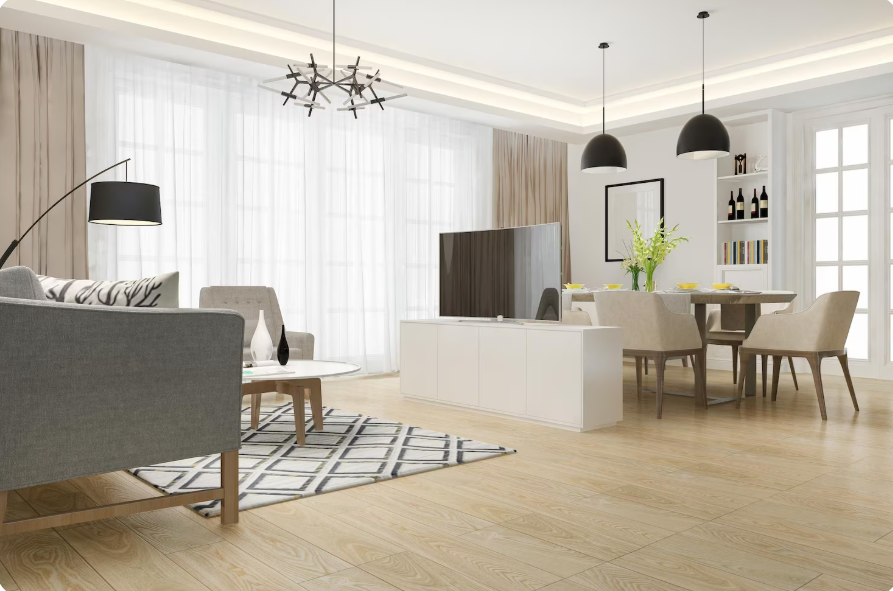
A home can look perfectly nice and still feel a little plain. Often, the difference comes from choosing pieces that suit the space and feel connected to the people living there. Furniture, storage, and small design details can make rooms more comfortable without turning the house upside down.
A few thoughtful choices can add personality while also solving everyday problems such as limited storage, empty corners, or furniture that never quite seems to fit.
Start With The Room
Before buying anything, look at the room itself. Consider its size, layout, and main purpose. A large sofa might look fantastic in a showroom but feel completely different when it blocks half your living room. Measure the available space, including doorways and walking areas.
Think about how people actually move around the room during a normal day. You need enough space to sit, walk, open doors, and generally avoid bumping into things. It also helps to think about what the room is missing. Perhaps you need more seating, better storage, or simply one interesting piece.
Choose Furniture and Furniture Store Carefully
When visiting a furniture store, it can be tempting to choose something simply because it looks great. But appearance is only part of the decision. Comfort matters, especially for pieces you will use every day. Check whether the furniture fits the room and whether it feels sturdy enough for regular use.
A dining chair that looks beautiful but becomes uncomfortable after ten minutes is not exactly a design success. Think about your lifestyle too. Families with young children may need durable materials that are easy to clean. The best choice is something that looks good and works well in real life.
Work With a Custom Cabinet Maker
Standard cabinets are useful, but they do not always work perfectly in every home. Awkward corners, narrow walls, sloped areas, and unusual room layouts can leave valuable space unused. Working with a custom cabinet maker can help create storage that fits the available area more precisely.
Custom cabinets can be designed for kitchens, bathrooms, bedrooms, or even small hallways where every inch matters. Shelves, drawers, hanging space, and hidden compartments can be arranged around what you actually own.
Mix Style With Function
Useful furniture does not have to look boring. A practical cabinet can become an attractive feature, while a comfortable chair can add color and shape to a quiet corner. Try coordinating materials, finishes, and colors without making everything identical.
Matching every piece can make a room feel more like a showroom than a home. Instead, allow a few different textures or shapes to appear. A wooden table beside a fabric sofa can create warmth, while a distinctive lamp or chair can show some personality.
Think Long Term
Large furniture purchases deserve a little extra thought. Consider whether your needs might change over the next few years. A small dining table may work now but become inconvenient if your family grows. Durability matters too. Choosing a well-made piece can mean fewer repairs or replacements later.
Also think about maintenance. Materials that are difficult to clean may become frustrating when everyday life gets messy. Good home design should make daily life easier, comfortable, and practical.